


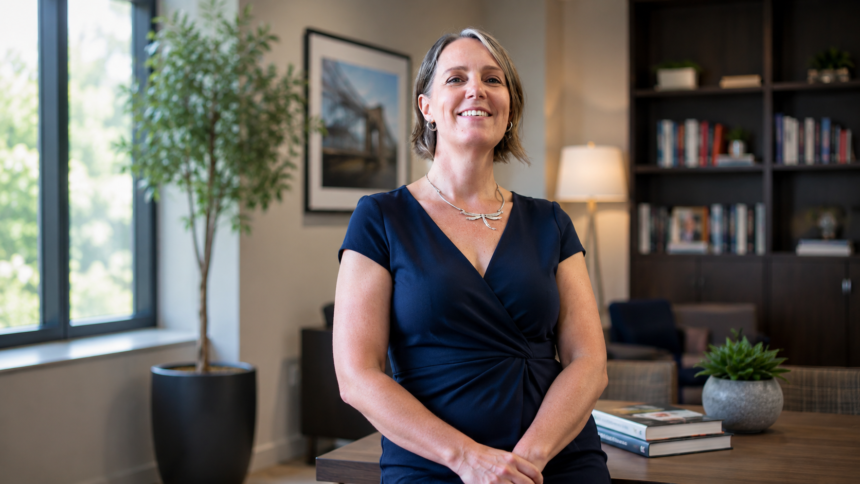
When people search for “Gillian Brown disability,” they are often trying to find out whether Gillian Brown has a disability or why her name is connected to discussions about disability. The topic has gained attention online, but many articles repeat assumptions without explaining where the information comes from or whether it has been verified.
The available evidence tells a different story. Gillian Brown has publicly spoken about disability, accessibility, and inclusion because of her academic studies and professional work. However, no reliable public source confirms that Gillian Brown has a disability herself.
This article examines what is actually known, why this search term has become popular, and what reliable sources reveal about Gillian Brown’s connection to disability.
Quick Answer
If you are looking for a straightforward answer, here it is:
There is currently no verified public evidence that Gillian Brown has a disability.
Her name is associated with disability because she completed postgraduate studies in Disability Studies, Rights and Inclusion at the University of Leeds and has spoken publicly about how the course changed her understanding of accessibility and inclusive media production.
Reliable sources discuss her advocacy, education, and professional development, but they do not state that she has a disability.
Who Is Gillian Brown?
Gillian Brown is a television development professional who has worked in the UK television industry. Her career has focused on developing television content, supporting creative projects, and encouraging more inclusive storytelling.
Although she became widely discussed in disability-related searches, her public profile is primarily connected to her work in television rather than personal medical information.
One of the reasons her name became associated with disability is her decision to study Disability Studies, Rights and Inclusion at the University of Leeds. The course gave her a broader understanding of disability rights, accessibility, and the importance of representation within the media industry.
Her academic experience later influenced how she approached television development and inclusion in professional settings.
Why Are People Searching for “Gillian Brown Disability”?
Many online searches begin after readers notice repeated headlines mentioning both Gillian Brown and disability. Once search engines recognize growing interest in a phrase, more websites begin publishing articles targeting the same keyword.
In this case, several factors likely contributed to the increased attention.
First, Gillian Brown publicly discussed disability through her postgraduate studies and professional experiences. Readers unfamiliar with the context sometimes assumed that these discussions referred to her personal health rather than her education and advocacy.
Second, some websites published articles with speculative headlines that encouraged curiosity without presenting verified evidence. As those pages spread across search results, more users searched for the topic.
Finally, search engines often reinforce popular search phrases. Even when a search term is based on misunderstanding, it can continue appearing because many people are looking for clarification.
What Official Sources Say
The most reliable publicly available information comes from the University of Leeds, where Gillian Brown discussed her experience studying Disability Studies, Rights and Inclusion.
According to the university, she enrolled in the programme to deepen her understanding of disability and inclusion. She explained that the course challenged many assumptions she previously held and encouraged her to think differently about accessibility, equality, and representation.
She also described how learning directly from disabled academics and advocates broadened her perspective and influenced her professional work.
Importantly, the university’s interview focuses entirely on her educational journey and professional development. It does not state or imply that Gillian Brown has a disability.
This distinction matters because official profiles generally include relevant personal information when individuals choose to share it publicly. In this case, no such statement has been made.
What Official Sources Do Not Say
Equally important is understanding what reliable sources do not claim.
There is no official biography stating that Gillian Brown has a disability.
There is no public interview in which she identifies herself as disabled.
There is no verified statement from her employer or the University of Leeds confirming that she has a disability.
There is also no credible news report documenting such information.
The absence of confirmation does not prove anything about someone’s private life. It simply means there is no reliable evidence supporting the claim.
Respecting that distinction is essential when discussing real people.
Her Connection to Disability Studies
Although there is no verified information about a personal disability, Gillian Brown’s connection to disability issues is genuine.
Through her postgraduate education, she explored topics including:
- Disability rights
- Accessibility
- Social inclusion
- Equality
- Representation in media
- Barriers experienced by disabled communities
She has spoken about how these studies encouraged her to question long-held assumptions and recognize the importance of listening to disabled voices.
Rather than viewing disability only through a medical perspective, the programme introduced broader social and cultural approaches that emphasize removing barriers instead of placing responsibility solely on individuals.
This educational experience became an important part of her professional development.
How Disability Studies Influenced Her Career
One of the most interesting aspects of Gillian Brown’s public interviews is how she describes applying what she learned to television production.
Inclusive storytelling has become increasingly important across the entertainment industry. Audiences expect authentic representation, accessible programming, and opportunities for disabled creators both in front of and behind the camera.
Brown has explained that studying disability helped her better understand these issues.
Instead of treating accessibility as an afterthought, she came to see it as an essential part of creative development.
That perspective benefits writers, producers, broadcasters, and audiences alike.
Her experience demonstrates that formal education can reshape professional practice even when it is outside someone’s original career path.
Why Accurate Information Matters
Information spreads quickly online.
Unfortunately, repeated claims can begin to appear credible even when they are unsupported.
This is one reason fact-checking is so important.
When discussing someone’s health, disability, or personal circumstances, reliable evidence should always come before speculation.
Publishing unverified claims may unintentionally mislead readers while also affecting the reputation and privacy of the individual involved.
Responsible reporting means distinguishing between confirmed facts, reasonable interpretation, and unsupported assumptions.
Understanding Disability Advocacy
Another reason this topic causes confusion is that advocacy is sometimes mistaken for lived experience.
Many professionals work extensively in disability rights without identifying as disabled themselves.
Researchers, educators, healthcare workers, policymakers, journalists, and media professionals frequently contribute to disability inclusion because they believe accessibility benefits society as a whole.
Gillian Brown’s public work appears to fall within this category.
Her interviews focus on learning, professional growth, and creating more inclusive media environments rather than discussing personal medical circumstances.
What Readers Should Take Away
If someone searches for “Gillian Brown disability,” they are likely hoping to understand whether online claims are true.
Based on currently available public evidence, the answer is straightforward.
Reliable sources confirm her involvement with disability education and advocacy.
Reliable sources do not confirm that she has a disability.
Those are two very different ideas.
Recognizing the difference helps readers avoid misinformation while appreciating the genuine work she has done to promote inclusion and accessibility.
The Importance of Responsible Online Research
Search engines make information available within seconds, but they cannot always distinguish verified facts from repeated speculation.
As readers, we all benefit from asking simple questions:
- Is the source official?
- Does the article provide evidence?
- Is the claim supported by direct quotations?
- Are multiple reliable sources reporting the same information?
Applying these questions helps separate trustworthy reporting from content written primarily to attract clicks.
In Gillian Brown’s case, official educational sources remain the strongest publicly available evidence.
Final Thoughts
The search term “Gillian Brown disability” continues to generate curiosity online, but curiosity should not replace evidence.
The available public information shows that Gillian Brown studied Disability Studies, Rights and Inclusion and has spoken positively about how that education influenced her understanding of accessibility, equality, and representation in television.
At the same time, there is no verified public evidence that she has a disability herself.
As with any discussion involving a real person’s private life, it is important to rely on credible sources, avoid speculation, and respect personal privacy unless the individual has chosen to share additional information publicly.
By focusing on verified facts rather than assumptions, readers gain a clearer understanding of Gillian Brown’s genuine contribution to disability inclusion and why her name has become associated with this topic.
Frequently Asked Questions
1. Does Gillian Brown have a disability?
There is no verified public evidence confirming that Gillian Brown has a disability. Official sources discuss her education and advocacy but do not make this claim.
2. Why is “Gillian Brown disability” a popular search term?
The search phrase appears to have grown because of her public involvement in Disability Studies and disability inclusion, combined with online speculation and misleading headlines.
3. What did Gillian Brown study?
She completed postgraduate studies in Disability Studies, Rights and Inclusion at the University of Leeds, where she explored accessibility, equality, and disability rights.
4. How has disability studies influenced her career?
She has explained that the programme changed how she approaches television development by encouraging more inclusive storytelling and greater awareness of accessibility.
5. What is the most reliable source of information about Gillian Brown’s connection to disability?
The most reliable publicly available information comes from the University of Leeds, which published interviews discussing her educational experience and commitment to disability inclusion.
